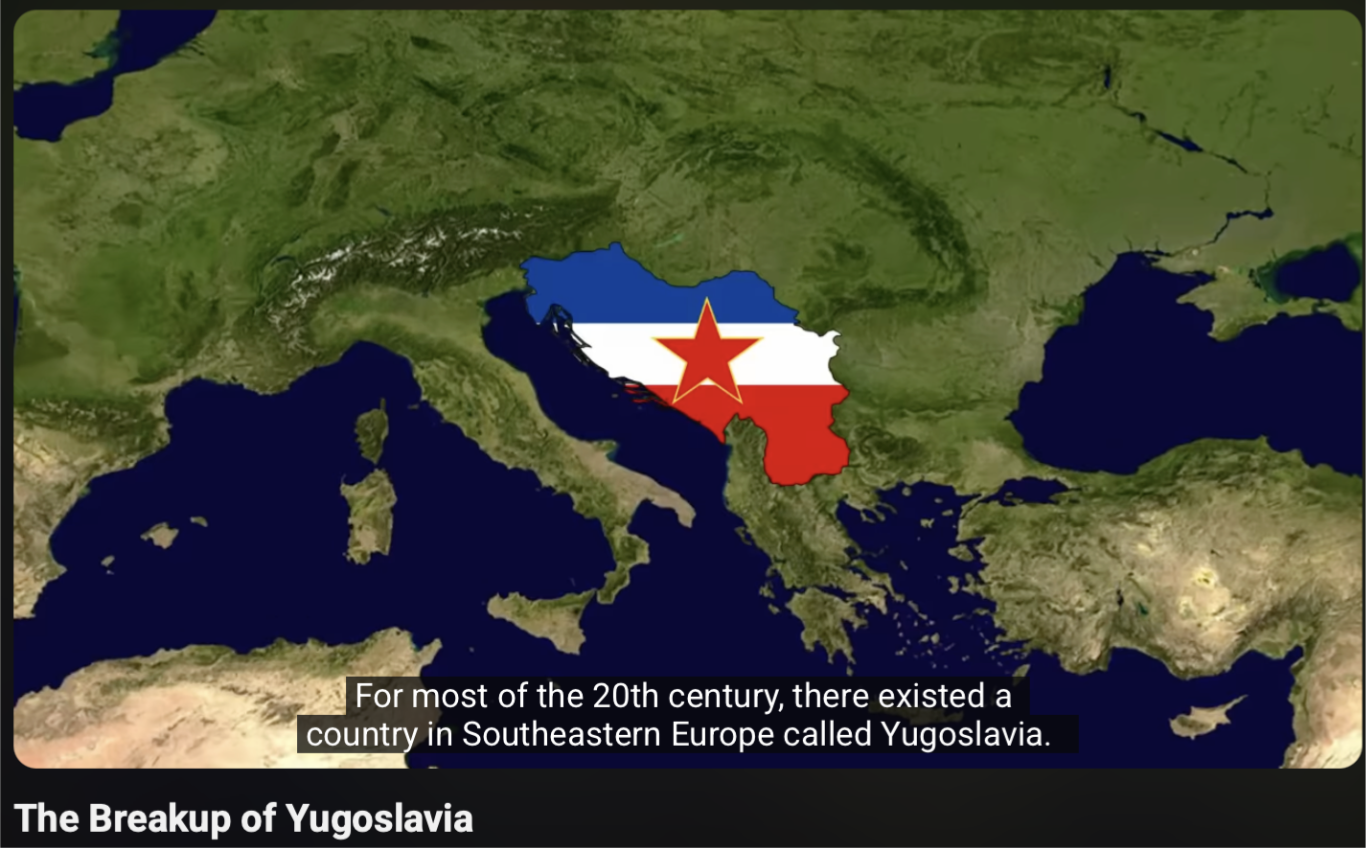
September 22, 2025: The breakup of Yugoslavia
“The State (of Yugoslavia) mattered more than ethnic identity. Everyone said religions shouldn’t matter, ethnicity shouldn’t matter, but obviously there was preference. Everyone was forcefully equal, but not really in spirit.”
We watched a video on the breakup of Yugoslavia and discussed whether nationalism can thrive alongside coexistence between people of different backgrounds, or if nationalism inherently creates division and supremacy.
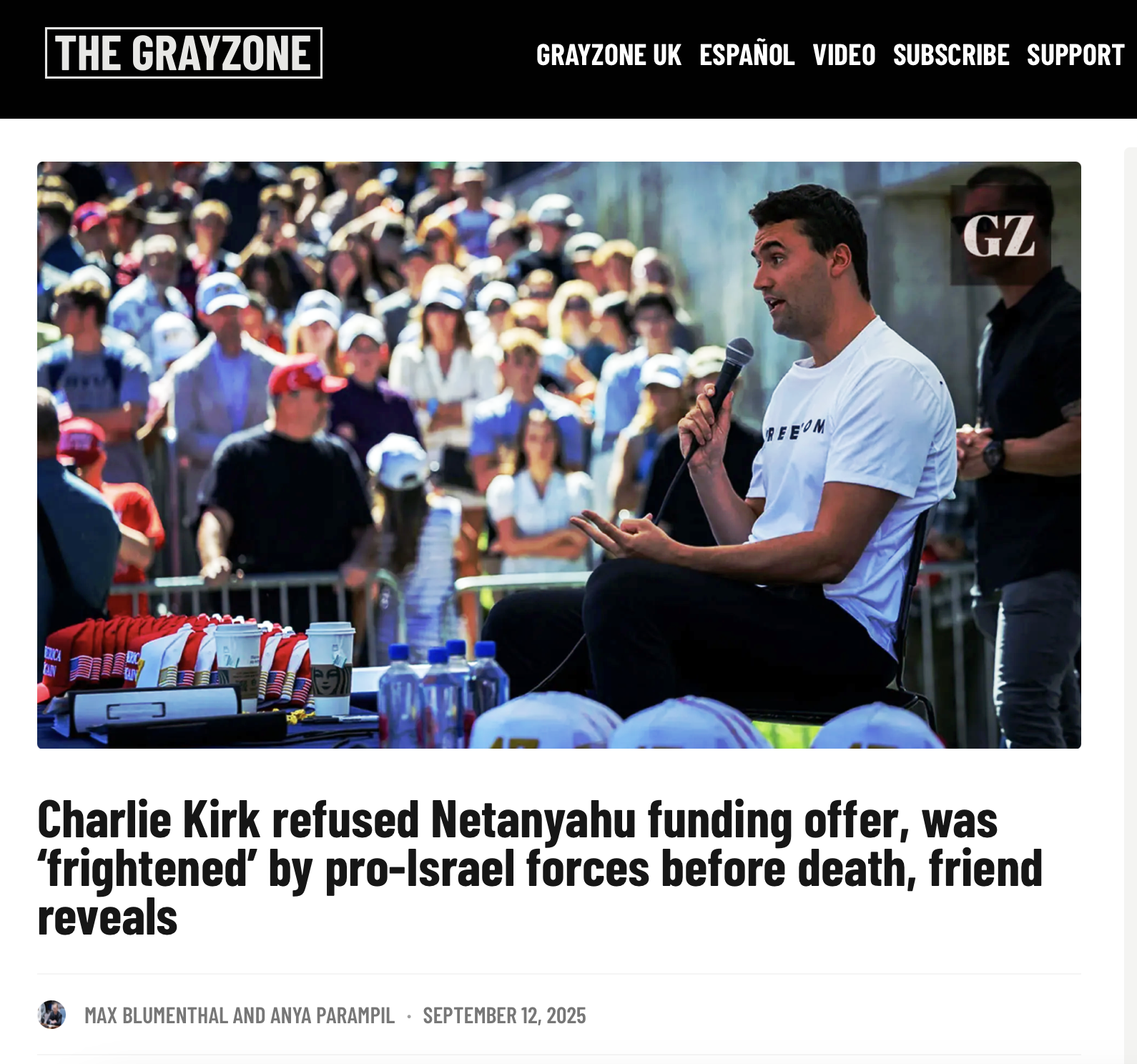
September 15 2025: Charlie Kirk
For three hours, we had nachos and fizzy drinks at the grad club. We began by talking about Charlie Kirk’s shooting, but documentation of that conversation quickly gave way to wholehearted, chaotic banter about our personal lives and ways that we narrate our dynamics with the world order with absurd humour. Most of what we remember from this Circle is eating together and laughter spun from steadily building dark humour - which is part of the beautiful gritty human unpredictability of these Circles.
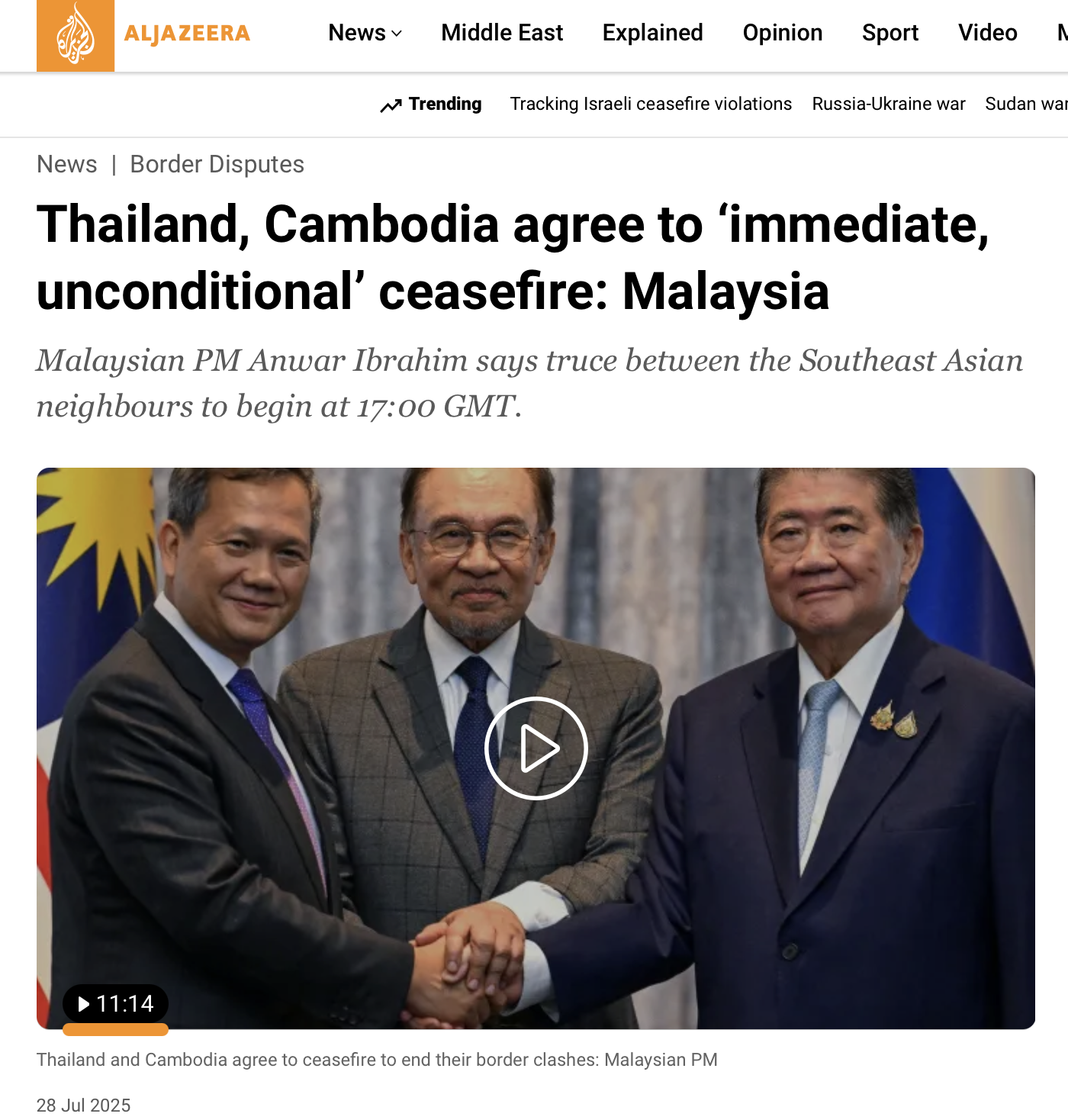
July 28 2025: Thailand-Cambodia war, “Canadian” identity, and Tucker Carlson
“I found out - I’m not proud of this - I found in a wiki search of the Thai airforce that we bought systems from Israel, the weapons defense systems is by Elbit. Someone I knew in Bangkok was certain we shouldn’t fight this war because of Elbit. And I had mixed feelings. I felt the same way - BDS should be global. But when it comes to national sovereignty, what do we do?”
The day a ceasefire was agreed between Thailand and Cambodia, we held our first ever Socratic Circle over a Zoom call with people across three cities. Through ever-candid conversation, we learned about the roots of the Thailand-Cambodia border dispute and discussed the shifting nature of “Canadian” identity and Tucker Carlson’s recent interviews.
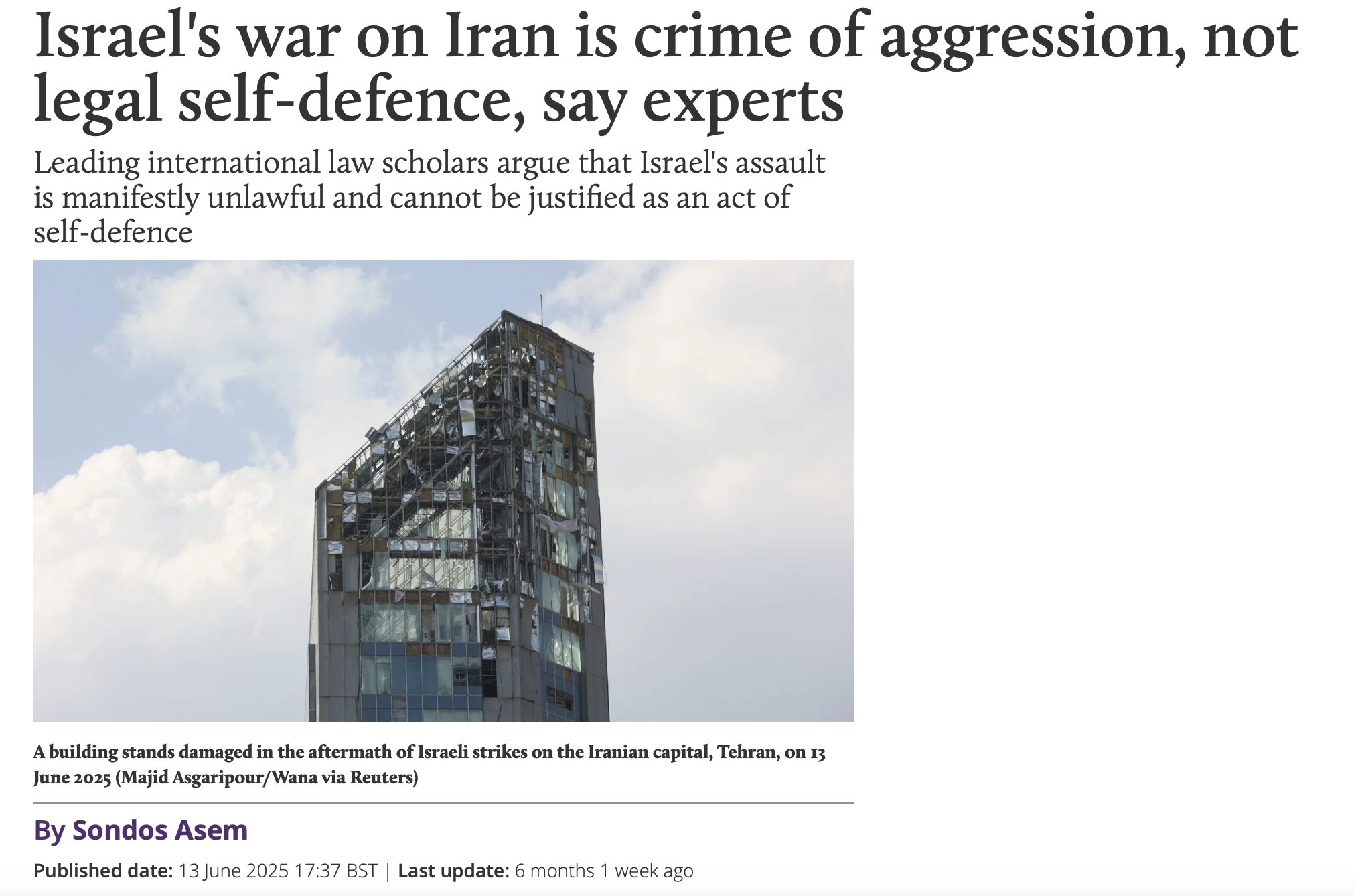
June 19 2025: The workplace, the world order, grief, and other contemplations six days into Iran-Israel war
“Even the question of “Do you think there are systemic issues (in the workplace)?” is a silly question to ask, because of course there are issues like that globally which would inevitably translate to local workplaces. And the idea that you have to ask that explicitly of your students who are coping with genocide and their families being bombed is a glaring moral problem.”
Contemplations on how to discuss colonial violence in the workplace, trying to offer care to those directly affected, trying to reach those insistent on not engaging with it, how colonial violence permanently injures the soul of the colonizer, and other things that naturally arose within these topics.
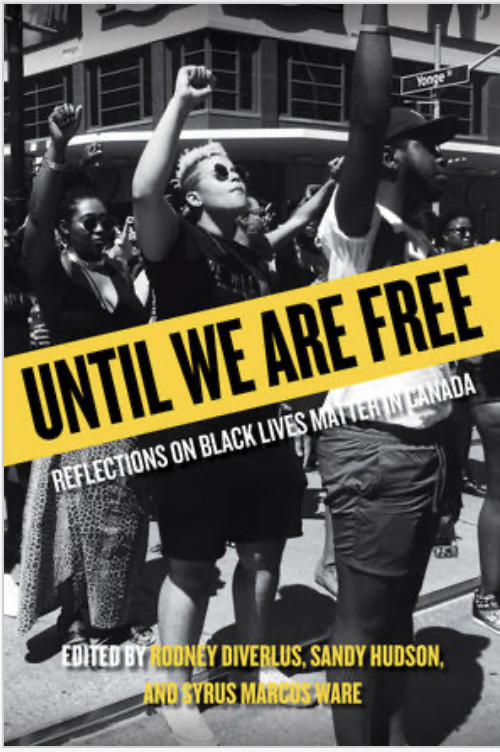
June 10 2025: Until We Are Free
“That’s the main thing I wanted to focus on: the word ‘co-resistors’. I like it better than the word ‘ally’. The issue I have with ally and allyship is that it always feels very passive and performative…”
A discussion on allyship, co-resistance, ethnostates, home, and safety, revolving around Chapter 5 - Towards Black and Indigenous Futures on Turtle Island: A Conversation from the anthology “Until We Are Free”, prepared by Black Lives Matter activists.

June 2nd, 2025: “Invictus” - William Ernest Henley
“27 years… I can’t be left in my room without anything to do for 6 hours but this poem carried him for 27 years?”
Contemplations on “Invictus” by William Ernest Henley, written in 1875 and recited by Nelson Mandela during his 27-year imprisonment (1962-1990) to fuel and sustain hope. Gil Scott-Heron’s fiery performance “The Revolution Will not be Televised” (1971) also cameoed.

May 8 2025: The Kashmir Crisis
Thoughts and accounts of Kashmir, Pakistan, and India amidst escalating tensions that began on April 22nd. See context in Tariq Ali’s piece “India and Pakistan: On the brink?”

April 3 2025: What is humanity’s greatest need?
What is humanity’s greatest need? Did we find an answer in an hour and a half? Read to gauge for yourself.
(*artwork: Liberation dove by Incé Husain)

March 13th, 2025: Silence, Quietness, and Cultural Identity
How is silence perceived in different cultures and families? How is quietness perceived? How do we navigate dual cultural identities? We discussed these questions for nearly two hours, with reference to a “Think Piece” written by RJ Dill.

February 13th, 2025: Party As Articulator
“The party, then, acts as a kind of binding element, trying to find a way to bring together diverse social forces, and to help them stay together, despite the many tendencies pulling them apart. And different parties will advance different strategies to make this possible. This is tough work. The party must find a way to creatively unify an enormous diversity of experiences, forms of struggle, and political goals into a lasting unity, all while preserving genuine differences.” ~ The Party as Articulator, Salar Mohandesi
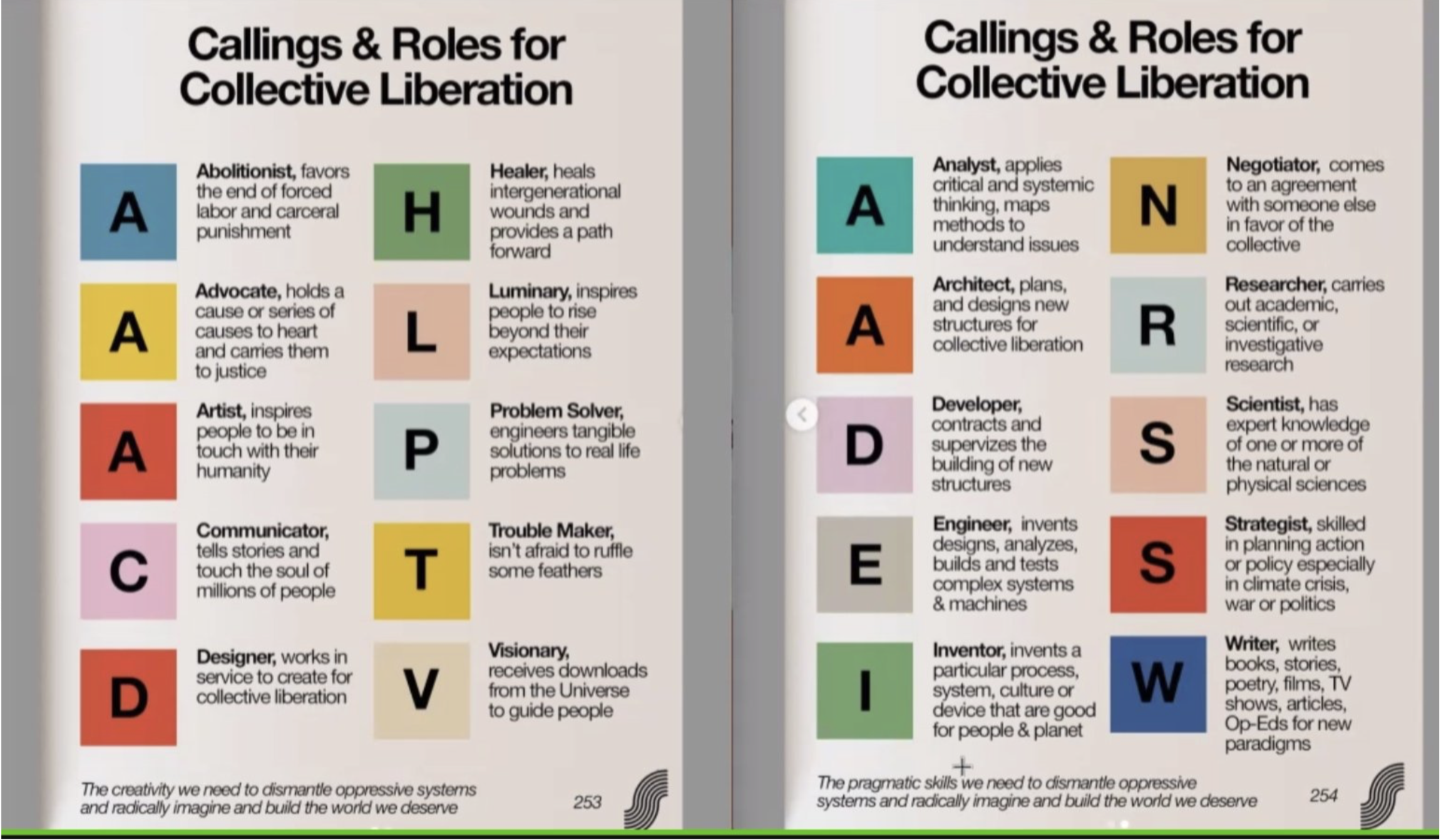
January 23rd, 2025: Callings and roles for collective liberation no.2
We rediscussed a post distinguishing different identities in liberation movements (see our first, lengthier discussion on the post here), and discussed a new vision for future Circles that involves contributing regularly to independent press in London. This new vision is anchored in the idea that regularly contributing human rights-oriented articles to press will increase awareness of global injustice in London, naturally raising the baseline for how committed the public is to building and contemplating a just world.

October 24th - Dec 4th: Call for input for the report of the Special Rapporteur on the occupied Palestinian territory to the Human Rights Council 58th session
For over a month, we discussed the Call for input for the report of the Special Rapporteur on the occupied Palestinian territory to the Human Rights Council 58th session with respect to Western University.

October 17th, 2024: Palestinian-American comedian Sammy Obeid and Humour as Resistance
“The Palestinian people are very, very strong,” says Palestinian-American comedian Sammy Obeid. “They're the only ones who could be surviving this madness. Like, we're going to cut off their food. We're going to cut off their water. It's like, have you heard of Ramadan? You're messing with the wrong folks. They've been training for this their whole lives.”
Over onion rings, we discussed humour as an act of resistance by reading about Sammy Obeid and drawing from a research article on how humour uniquely combats oppression.
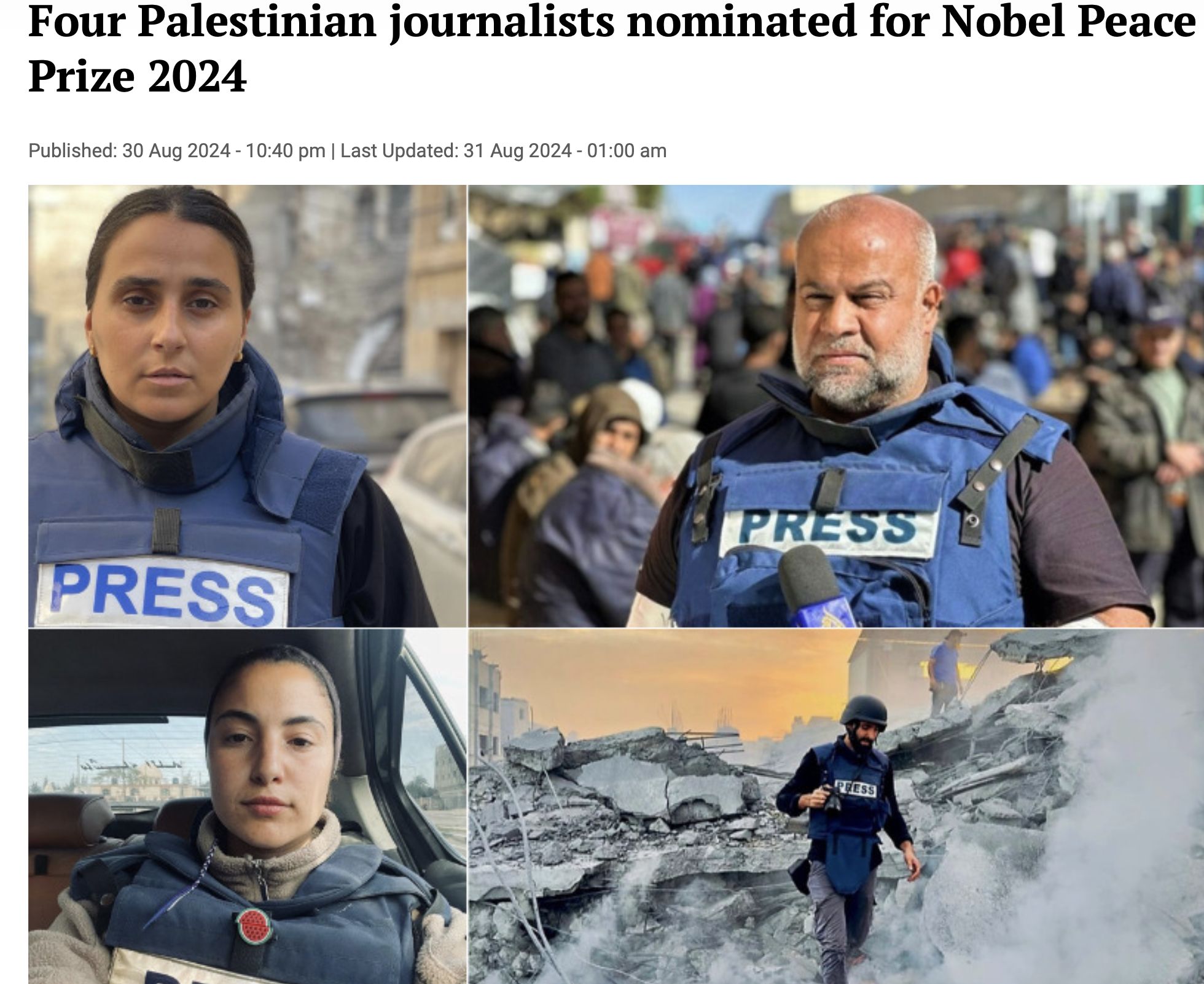
October 8th, 2024: Four Palestinian journalists nominated for Nobel Peace Prize 2024
Four Palestinian journalists reporting live for Gaza were nominated for the 2024 Nobel Peace Prize - the most prestigious peace prize in the world. Is this a meaningful act of resistance, or a performative act akin to lip service? Who is allowed to name nominees for the Nobel Peace Prize, and do we agree with this list?

October 3rd, 2024: “The Banality of Evil”
Can one do evil without being evil? A discussion on the "banality of evil" thesis by Hannah Arendt, which argues that people who do evil things are not necessarily evil individuals, but are merely trying to function in a society where their professional roles oblige them to do harm. What are the societal implications of how we answer this question?

October 1st, 2024: Callings and roles for collective liberation
A post by The Slow Factory defines twenty “roles” in liberation movements separated into “creative” and “pragmatic” categories. Which role are you?

September 24th, 2024: Lessons from a bank-robbing guerrilla turned president, and other things
A circle discussing the article "Lessons From a Bank-Robbing Guerrilla Turned President" that shifted into conversations about the usefulness of protests, how to meaningfully educate people on human rights causes, and how to break cultural barriers that may prevent understandings of colonialism.

September 18th, 2024: The Rome Statute no.2
A second circle on the Rome Statute that delved deeper into the document and whether we agree with its premises and applications. The day this circle was held, the UN General Assembly adopted a ‘historic’ resolution that called for an end to the occupation of Palestinian Territories within a year.

July 25th, 2024: Hunger Strikes and the Commodification of Student Movements for Palestine (Fatima Khalladi)
Have student encampments for Palestine remained ideologically focused or fallen prey to fads?

July 23rd, 2024: The meaning of protest (Amnesty International) and student protests met with violence (Bangladesh, Tiananmen Square, Salem)
How do we define what is and isn’t ‘protest’? What are the similarities in student protests that have been met with violence by those in power?